If you have been paying attention to digital marketing conversations lately, you have probably started seeing “GEO” pop up alongside the SEO you already know. It stands for Generative Engine Optimization, and it is not a rebrand of the same thing. It represents a meaningful shift in how people find businesses online — and it has real implications for whether your company shows up or gets left out.
Here is a clear breakdown of what GEO actually is, how it differs from traditional SEO, and what local and regional businesses should be thinking about right now.
What Is SEO — and What Has It Always Done?
Search Engine Optimization is the practice of making your website more visible in traditional search engine results pages (SERPs). When someone types a query into Google, the results they see are influenced by hundreds of ranking factors — domain authority, content quality, keyword relevance, backlinks, site speed, local signals, and more.
SEO covers a wide range of disciplines:
- Local SEO — optimizing your Google Business Profile and location-based signals to show up in map results and “near me” searches
- On-page SEO — structuring your content, headings, and metadata around the terms your audience searches for
- Technical SEO — ensuring search engines can crawl, index, and understand your site
- Link building — earning third-party citations that signal authority and trustworthiness
- Content strategy — creating pages and posts that answer real questions and rank for valuable keywords
For the past two decades, SEO has been the foundation of organic search visibility. It still matters. But the landscape it operates in is changing.
What Is GEO — and Why Is It Different?
Generative Engine Optimization is the practice of making your brand visible inside AI-generated answers, rather than traditional search result listings.
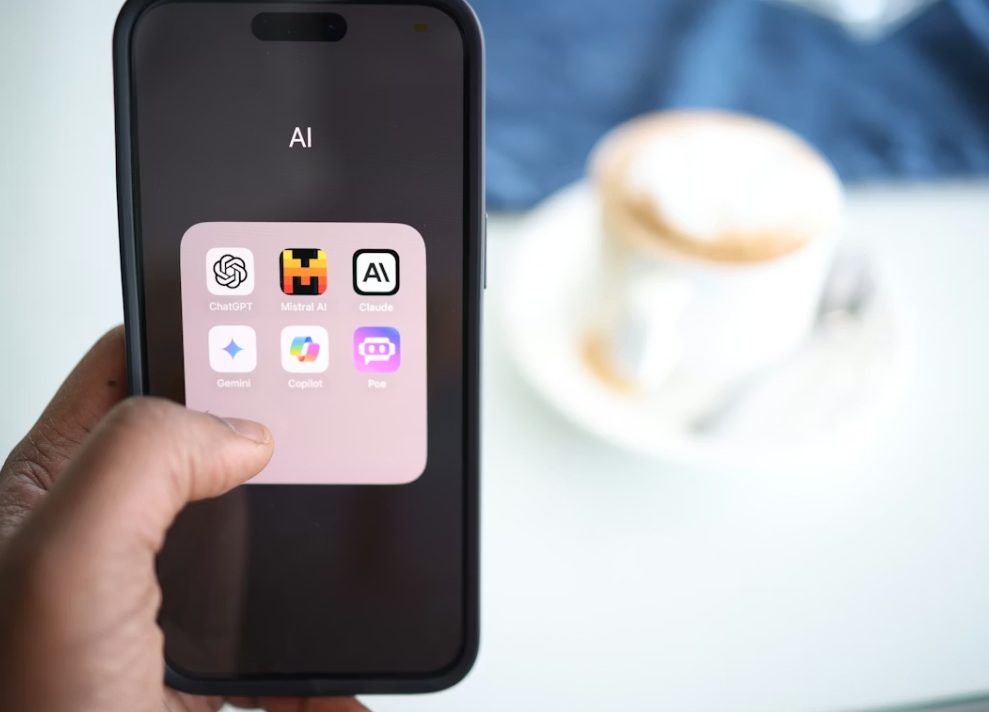
When someone asks ChatGPT, Google Gemini, Perplexity, or Claude a question, they do not receive a list of ten blue links. They receive a single synthesized answer. That answer cites specific sources, references specific brands, and recommends specific businesses. If your company is not part of that answer, you are invisible to that user — even if your SEO is excellent.
Traditional SEO earns you a spot on the results page. GEO earns you a mention in the answer itself.
GEO involves a different set of optimization strategies than traditional SEO:
- Structured data and schema markup — helping AI systems parse and understand your content accurately
- Authority and citation signals — being referenced by credible third-party sources that AI platforms trust
- Clear, factual content — AI models favor content that is direct, well-organized, and makes definitive claims
- Knowledge Graph presence — establishing your brand as a recognized entity in AI knowledge systems
- Brand mentions and reviews — signals that tell AI platforms you are a real, trusted business in your market
GEO vs SEO: Side-by-Side
Traditional SEO | GEO (Generative Engine Optimization) | |
Primary Goal | Rank in Google SERPs | Be cited in AI-generated answers |
Where It Shows Up | Search results pages | ChatGPT, Gemini, Perplexity, Claude, Copilot |
Result Format | Ranked list of links | Single synthesized answer |
Key Tactics | Keywords, backlinks, technical optimization | Structured data, authority signals, clear factual content |
Who Controls Results | Google’s algorithm | Large language models (LLMs) |
Traffic Type | Click-through to your site | Brand mention / citation in answer |
Maturity | 25+ years of established practice | Emerging — rapidly evolving |
Do Local Businesses Need to Worry About GEO Right Now?
The honest answer: yes, but with context.

AI search adoption is growing fast. A meaningful and growing share of search behavior — especially for research, recommendations, and local discovery — is shifting toward AI platforms. Users who ask Perplexity “what is the best HVAC company in Palm Desert” or ask ChatGPT “who are the top personal injury attorneys in San Diego” are getting AI-generated answers, not Google Maps results. If your business is not showing up in those answers, that traffic goes to whoever is.
At the same time, traditional SEO is not dead. Google still processes billions of queries a day. Local map results, Google Ads, organic rankings — these still drive the majority of new patient, new client, and new customer volume for most businesses. The shift is real but it is not a cliff. It is a gradual reweighting.
What this means practically: businesses that get GEO right now are building a structural advantage. The ones who wait until AI search is dominant will be playing catch-up against competitors who already have citation authority, structured data, and AI-readable content in place.
Industries Where GEO Matters Most Right Now
Some verticals are seeing AI search adoption faster than others. If you are in any of these spaces, GEO is already relevant to your pipeline:
- Healthcare and urgent care — patients asking AI for “urgent care near me” or “best pediatrician in [city]”
- Legal services — prospective clients asking AI to recommend personal injury, family law, or estate planning attorneys
- Home services — HVAC, plumbing, roofing, and contractors being recommended by AI for local service searches
- Real estate — buyers and sellers asking AI who the top agents are in a specific market
- Restaurants and hospitality — travelers and locals asking AI for dining, hotel, and experience recommendations
- Financial and professional services — businesses asking AI to recommend accountants, advisors, or consultants
GEO and SEO Work Together — Not Against Each Other
One of the most important things to understand is that GEO is not a replacement for SEO. Strong traditional SEO is actually foundational to GEO performance. AI platforms pull from authoritative, well-structured web content. If your site is technically sound, your content is well-organized, and you have solid authority signals, you are already partway there.
The incremental GEO layer adds:
- Schema markup that helps AI parse exactly what your business does, where you are, and who you serve
- Content structured around direct questions and answers — the format AI models prefer to cite
- Third-party citation building outside of traditional link building — reviews, industry listings, PR mentions, and local citations that AI platforms recognize as authority signals
- Entity optimization — making sure your business name, location, services, and key facts are consistent and recognizable across the web
Businesses running coordinated SEO and GEO strategies are not doing twice the work. They are reinforcing the same signals in a way that performs well in both traditional and AI search environments.
What Should You Do Right Now?
If you are a local or regional business thinking about where to focus your marketing dollars, here is a practical starting point:
- Audit your existing SEO foundation — technical health, local signals, content quality, and authority. GEO built on a weak SEO base will underperform.
- Implement structured data if you have not already — at minimum, LocalBusiness schema, FAQPage schema on content-heavy pages, and Service schema for your core offerings
- Review your content for AI-readability — short declarative paragraphs, clear headers, direct answers to common questions. Content that reads like a Wikipedia entry tends to perform well with LLMs.
- Build citation diversity — reviews on Google, Yelp, and industry-specific platforms; mentions in local press; listings in relevant directories. These are the signals AI platforms use to validate business authority.
- Monitor where your brand appears in AI answers — start asking ChatGPT, Perplexity, and Gemini about your business category in your market. If you are not showing up, you know what to work on.
The Bottom Line
SEO is not going away. But AI search is not going away either, and it is growing. Businesses that treat GEO as a separate, optional add-on are missing the point. The most competitive businesses in the next two to three years will be the ones that built visibility in both ecosystems simultaneously — and started early enough to have citation authority before their competitors figured out it mattered.
If you want to understand where your business stands in AI search right now — and what it would take to improve that visibility — that is exactly what we help with at Lionwish.